Home Blog Page 15

2024 este anul în care România trebuie să ridice privirea spre viitor

În 2024 România ar trebui să își regândească modelul de dezvoltare economică printr-o reorientare către tehnologiile viitorului și tranziția către o economie cu emisii reduse de gaze cu efect de seră. Pentru aceasta este necesară renunțarea la apatia clasei politice și la căutarea soluțiilor în trecut și reorientarea priorităților naționale către o economie bazată pe utilizarea surselor de energie curată, dezvoltarea infrastructurii energetice, atragerea lanțurilor valorice pentru tehnologiile verzi și susținerea capacității de cercetare și inovare pentru crearea de locuri de muncă bine plătite, care să poată răspunde provocărilor următoarelor decenii.


mihnea catuti - epg
Mihnea Cătuți, EPG Head of Research

Mihnea is the Head of Research at EPG, coordinating the research strategy and activities within the organisation. His expertise includes EU climate and energy policy and the transition in South-East Europe.
He is also an Associate in E3G’s Clean Economy Programme, contributing to the work on industrial decarbonisation.

In the past, Mihnea was an associate researcher at the Centre for European Policy Studies (CEPS), where he led the work on the future of hydrogen in the EU. He was also an associate lecturer in Public Policy at the University of York.

Mihnea has a Bachelor of Science degree from the University of Bristol and a Masters in European Public Policy from the University of York and the Central European University. He is currently finalising his PhD at the University of York focusing on energy and climate governance in the EU.

Contact: mihnea.catuti@epg-thinktank.org

Reducerea emisiilor încorporate de carbon în clădirile din UE

Ultima formă a Directivei privind Performanța Energetică a Clădirilor (EPBD), negociată între Comisia Europeană, Parlament și Consiliul European, a ajuns în spațiul media din România mai ales cu informația că anul 2040 este termenul limită pentru interzicerea comercializării centralelor termice pe gaze naturale, inclusiv pentru locuințe, ca parte a efortului de decarbonizare a sectorului încălzirii și răcirii. Alte teme, precum introducerea cerințelor de zero emission buildings (ZEB, adică clădiri cu emisii de carbon zero) pentru toate clădirile noi începând cu 2030 au suscitat, de asemenea, reacții privind pachetul de politici europene de modernizare și decarbonizare a stocului de clădiri.

Mai puțin discutate au fost prevederile din EPBD despre estimarea emisiilor de gaze cu efect de seră pe întregul ciclu de viață al clădirii (life cycle assessment, LCA), incluzând emisiile rezultate din producția materialelor de construcții, din transportul lor și activitățile de șantier, din consumul de energie în clădire, precum și din demolare, reciclare, reutilizare și eliminare finală. Astfel, spre deosebire de emisiile operaționale de carbon, care țin de consumul de energie în clădire și care fac obiectul măsurilor de creștere a eficienței energetice, emisiile încorporate ale clădirii sunt cele care țin de materialele de construcții și de activitățile de construcție, precum și de tratamentul la finalul duratei de utilizare. De aceea, contribuția sectorului clădirilor – care, în UE, reprezintă mai bine de 40% din consumul total final de energie – la realizarea unei traiectorii de neutralitate climatică până în 2050 nu poate fi realizată fără controlul și reducerea emisiilor încorporate de carbon.

Până în prezent, doar un număr restrâns de state membre ale UE au introdus, individual și necoordonat, cerințe legale privind calcularea și limitarea emisiilor încorporate de GES și anume Danemarca, Finlanda, Franța, Olanda și Suedia, ale căror demersuri sunt schițate mai jos. În rest, evaluările de tip LCA se bazează pe Declarații de Mediu ale Produselor (Environmental Product Declaration, EPD) – declarații voluntare ale producătorilor privind impactul de mediu al produselor pe ciclul de „viață”, ale căror limitări sunt descrise pe scurt.

Așadar, o noutate semnificativă a versiunii revizuite a EPBD este adoptarea de legislație privind LCA la nivelul întregii UE. Directiva cere statelor membre să adopte metodologii de tip GWP (Global Warming Potential), prezentate în certificatele de performanță energetică ale clădirilor, începând cu data de 1 ianuarie 2026 pentru clădirile publice noi cu suprafață utilă de peste 1000 m2, și cu 1 ianuarie 2030 pentru toate celelalte clădiri noi. Comisia Europeană este împuternicită să adopte, până la 31 decembrie 2025, acte delegate pentru stabilirea unui cadru unitar de calcul la nivel național al potențialului de încălzire globală pe ciclul de viață pentru toate clădirile noi începând cu 2030, cu stabilirea unor limite maxime de emisii LCA, detaliate pentru zone climatice și tipuri de clădiri.

Politicile publice care urmează a fi introduse prin revizuirea directivei EPBD sunt complementare cu alte părți ale Pactului Ecologic European (European Green Deal), în special cu introducerea unui nou sistem de tranzacționare a emisiilor de carbon (ETS2), care începând cu 2027 va acoperi, printre altele, emisiile de gaze cu efect de seră din sectorul clădirilor. Coerența și adecvarea măsurilor de promovare a acestor politici, în special din punct de vedere financiar și de echitate socială, va fi decisivă, mai ales că beneficiile directe ale taxării emisiilor încorporate vor fi mai dificil de perceput și de acceptat decât cele pentru eficientizarea energetică a clădirilor, care este însoțită, de regulă, de modernizarea evidentă a sistemelor tehnice și de creșterea calității mediului interior.


radu dudau 2022 - epg
Radu Dudău, EPG President

Radu Dudău is President and co-founder of EPG. He was, from 2007 to 2023, an Associate Professor at the Bucharest University. From 2006 to 2010 he was Deputy Director at the Romanian Diplomatic Institute (Ministry of Foreign Affairs).

He graduated in Physics and Philosophy from the University of Iași. He holds a Dr. Phil. degree in Philosophy (magna cum laude) from Konstanz University (Germany) and a PhD in Political Science (International Relations) (summa cum laude) from the National School of Political and Administrative Studies (SNSPA, Bucharest).

He was a Fulbright Fellow with the National Security Program at Harvard Kennedy School of Government (2011), a New Europe College Fellow at the Danish Institute of International Relations (Copenhagen, 2006) and an OSI/FCO-Chevening scholar at Oxford University (1999-2000).

His work focuses on energy policy, energy technology, and energy markets.

Contact: radu.dudau@epg-thinktank.org
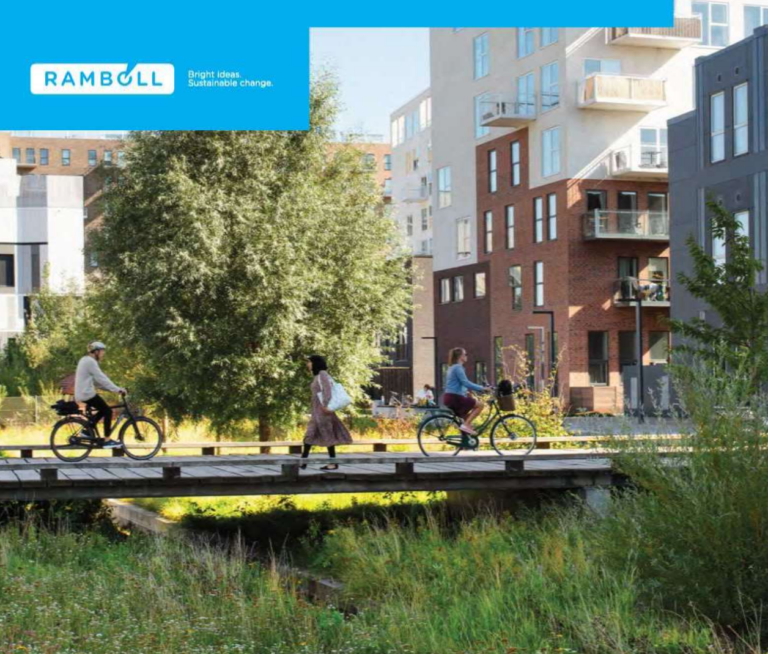
Modele de emisii de carbon pe întregul ciclu de viață pentru UE27 în vederea reducerii emisiilor de carbon provenite de la clădirile noi (RO)

Revizuirea măsurilor legislative existente la nivel național

Acest raport compară modelele de politici la nivel național existente și propuse pentru reducerea emisiilor de carbon pe întregul ciclu de viață (WLC). Sunt comparate abordările alese în Danemarca, Finlanda, Franța, Țările de Jos și Suedia. Acest lucru relevă caracteristici cheie, asemănări și deosebiri. Din cauza practicilor naționale preexistente privind clădirile durabile, cuantificarea impactului asupra climei și reglementarea generală a construcțiilor noi, toate modelele de politici diferă între ele într-o anumită formă.

Documentul atașat reprezintă traducerea EPG în limba română a publicației Ramboll, EPG nedeținând drepturi de proprietate asupra materialului prezentat.

Reflections on COP28

A successful negotiation is one that leaves no one fully satisfied with the result, but also not fully disappointed. From this viewpoint, the final COP28 statement can be considered an achievement. The text is arguably balanced and inclusive of the needs of all members. As COP28 in Dubai came to an end, some labeled it a failure, while others marked it as a significant advancement in climate action. It’s probably a bit of both.

Even before its start, COP 28 was marked by the suspicions surrounding the vested interests of the oil-rich hosting country.

This time, a different and more ambitious set of expectations were publicly set compared to, say, COP24, which was hosted by Poland, a fossil-fuel-dependent country – even as it came after some controversies surrounding statements made by the COP28 president. This marks an evolution in the advancement of the global conversation on climate change.

The conference started with strong commitments for the Loss and Damage Fund – a topic discussed for over 30 years, since COP13 in Bali, which was center-stage at last year’s COP in Sharm el-Sheikh. The Fund is meant to compensate climate-vulnerable developing countries for climate change impacts that have not or cannot be addressed through mitigation and adaptation measures. Importantly, an agreement was reached on the operationalization of the Fund and funding arrangements. Hundreds of millions of dollars have been promised within the first days of the event, with the total pledges reaching $792 million by the closing of the conference. The World Bank has been chosen to host the fund for the first four years.

Among COP28’s main achievements were the global call for tripling renewable generation and doubling the annual energy efficiency improvement rate by 2030. While the implementation of these efforts will need to be defined more granularly through the Nationally Determined Contributions (NDC), the urgency of a faster-paced transition has not been disputed. Another one – arguably even more impactful – was the pledge of 50 oil companies to address carbon emission in their operations and, more importantly, to reach near-zero methane emissions and to end routine flaring in their activity by 2030.

As expected, the most controversial topic, given the host of this year’s COP, was the language on phasing-down (instead of the expected phasing-out) fossil fuel utilization. The “transition away” wording of the final statement was celebrated by some as historic and caused dismay for the more climate ambitious Parties. The final statement certainly hinted to the knotty negotiations and, ultimately, to the complexity of giving up fossil fuel production and consumption (especially in emerging markets). In fact, fossil fuels are embedded in so many of the fundamental processes underpinning both developed and developing economies, that transitioning away to low emissions alternatives will take much more than words in the COP final agreement. Nonetheless, decarbonisation cannot be achieved without a near-complete elimination of fossil fuel use, and the final text marks a small step forward in this gargantuan challenge.

One of the most important levers to accelerate the transition, particularly in developing countries, is finance. Several announcements were made at COP28. Multilateral Development Banks announced additional climate finance commitments worth $180 billion through various programs and country platforms. Finance pledges were also announced for nature-based solutions and green industrialization in Africa. On the private sector side, UAE announced the launch of Alterra – a catalytic fund worth $30 billion, meant to mobilize $250 billion in private investments in developing countries through blended finance instruments. In addition, several other initiatives were launched including a philanthropy-backed early stage climate venture fund, the Green Guarantee Company backed by USAID, the Green Climate Fund and others, and a new reinsurance scheme for smallholder farmers in Africa.  

Romania’s contribution to the initiatives developed in Dubai were also notable:

  • The country joined the Carbon Management Challenge – an initiative launched by the US Department of Energy (DOE) – which focuses on deploying carbon capture, utilization, and storage and carbon dioxide removal, as key elements of keeping the 1.5-degree goal within reach.
  • The Global Methane Pledge Ministerial has made notable progress over the last year, since COP27. More than $1 billion new grant funding have been mobilized, with new national commitments and legislation from main emitters, including oil and gas operators. Romania was welcomed as new member, bringing the total participants to 155.
  • The nuclear sector’s revival of last year(s) has reached a landmark at COP28, with more than 20 countries – including Romania – launching the Declaration to Triple Nuclear Energy – an effort of signatory countries to increase threefold the global installed electrical capacity from 2020 to 2050.
  • While not among the Ministerial officials attending the High-Level Roundtable on Hydrogen, Romania and its ambitious hydrogen plans can benefit from the outcomes of this initiative, which closed with a mutual recognition of certification schemes for hydrogen and hydrogen derivatives, with an ISO methodology as a global benchmark for GHG emissions, and with advancements in the cross-border trade corridors.

The 1.5C target is most likely out of reach at this point, based on current pledges. Moreover, whether ambitious or not, the agreements reached are not binding, being subject to more granular cross-national and national policies, regulations, and targets. Pledges also merely represent an indication of the effort levels needed, as measures such as tripling renewable investments or doubling energy efficiency efforts depend on very diverse starting points and contexts – technically, socially, and economically.

That being said, while highly symbolic and performative, COP28 delivered a clear message: all countries now agree that the world needs to transition away from fossil fuels. It may seem like common knowledge, but the intense negotiations needed to reach this conclusion stand as proof that it was a remarkable achievement.

Winds of Change. Offshore Renewable Energy for a More Secure and Resilient Central and Eastern EuropeWinds of Change.

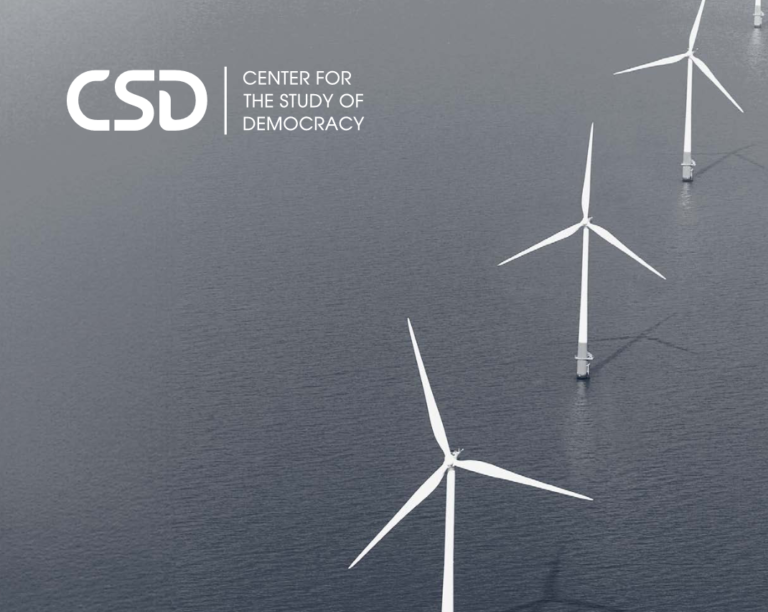
Offshore wind energy in Central and Eastern Europe (CEE) is bound to become the cornerstone for accelerating the coal phaseout, strengthening energy and climate security, and enabling the transformation of the industry. The European energy sector is under pressure to swiftly align with the long-term net-zero targets but not at the expense of the system’s resilience and competitiveness. Offshore wind energy stands out as a powerful alternative to fossil fuel-based energy supply in countries with access to the sea, which also has strong financial and institutional support from the European Union. Offshore wind deployment carries large technical, economic, social, and environmental benefits, making it an attractive investment option for the CEE region. This report provides an overview of the potential and progress in offshore wind energy development in Poland, Romania, Bulgaria, and Croatia, while identifying the main policy measures for overcoming the governance and technical obstacles for its unlocking.

Lansare de proiect: „Eficiența energetică în clădiri: implicarea comunităților și autorităților, promovarea noilor tehnologii”

Centrul Român de Politici Europene și Energy Policy Group (EPG) au lansat, la finalul lui 2023, un nou parteneriat dedicat promovării bunelor practici și măsurilor active de reducere a consumului de energie.

Susținut de Innovation Norway în cadrul Programului Energie în România 2014-2021, proiectul „Eficiența energetică în clădiri: implicarea comunităților și autorităților, promovarea noilor tehnologii” vine să explice, pentru publicul larg, pentru consumatori, dar și pentru viitoarele generații, elevi sau studenți, de ce este importantă eficiența energetică. Discutăm atât despre investiții ori lucrări publice sau private din comunitățile locale până la măsuri concrete prin care putem reduce, în propria gospodărie sau afacere, consumul de energie.

Programul „România Eficientă”, derulat de EPG, a dezvoltat resurse educaționale cu conținut relevant, iar noul parteneriat vine să le ducă mai aproape pentru fiecare categorie de public. În România, 77% din fondul construit necesită renovare energetică până în 2050. Înțelegerea și conștientizarea unor soluțiilor eficiente, în concordanță cu obiectivele climatice ale UE, sunt prioritare. 

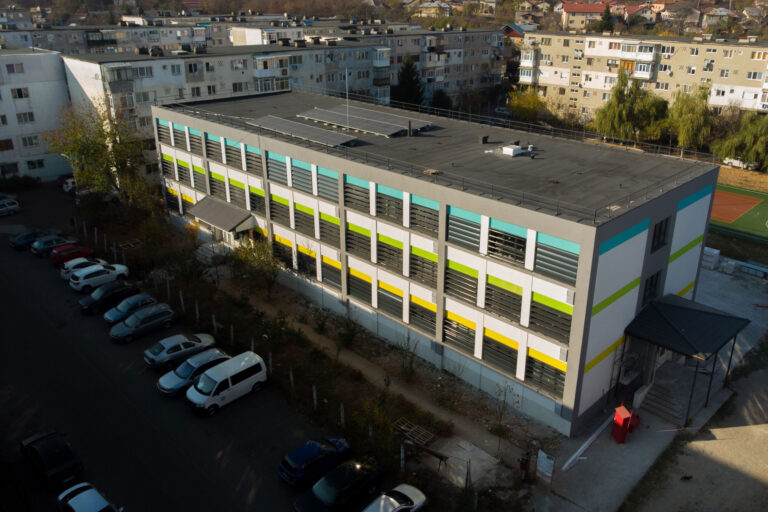
O componentă importantă a parteneriatului nostru „Eficiența energetică în clădiri: implicarea comunităților și autorităților, promovarea noilor tehnologii” este destinată autorităților publice locale care pot găsi bune practici, expertiză, soluții ori inspirație în conceptul, investițiile și renovările la standarde nZEB realizate în România Eficientă, în special renovarea școlilor din mai multe regiuni ale României.

Proiectul nostru urmărește și creșterea cunoștințelor publicului privind eficiența și securitatea energetică. Ceea ce ne dorim este îmbunătățirea comportamentului individual, reducerea amprentei de carbon personale și promovarea beneficiilor eficienței energetice.

Seria de evenimente informative va fi completată de lansarea unui set de recomandări privind adoptarea și utilizarea pe scară largă a tehnologiilor moderne de reducere a consumului energetic, pe baza inițierii unui dialog constructiv între autorități și experți în energie. 


Citate:

CRPE și EPG își completează eforturile de a spori implicarea autorităților, a elevilor și a studenților în crearea unui viitor mai durabil și mai eficient din punct de vedere energetic. Prin expertiza celor două organizații partenere, această colaborare în cadrul proiectului ne ajută  să extindem impactul și beneficiile programului România Eficientă, derulat de EPG, și deschide noi direcții de acțiune în ceea ce privește încurajarea îmbunătățirii eficienței energetice”, a declarat Radu Dudău, președinte EPG și coordonator al programului România Eficientă.

Un nou parteneriat, Energy Policy Group (EPG) și Centrul Român de Politici Europene (CRPE), susținut de Innovation Norway, în Programul Energie în România 2014-2021, vine să explice pentru publicul larg, pentru consumatori, pentru copii, elevi și studenți, de ce este importantă eficiența energetică – de la investițiile ori lucrările din comunitățile în care trăim, până la măsuri concrete prin care putem reduce consumul de energie în propria gospodărie sau afacere.  Programul România Eficientă a dezvoltat resurse educaționale cu un conținut extrem de relevant, iar noul parteneriat vine să le ducă mai aproape de fiecare categorie de public.

O componentă importantă a parteneriatului nostru „Eficiența energetică în clădiri: implicarea comunităților și autorităților, promovarea noilor tehnologii” este destinată autorităților locale, administrații publice județene sau municipale care pot găsi bune practici, expertiză, soluții ori inspirație în conceptul, investițiile și renovările la standard nZEB a școlilor din mai multe regiuni ale României, realizate de România Eficientă”, a declarat Bianca Toma, Manager de Proiecte pentru Centrul Român de Politici Europene.


Finanțat cu sprijinul granturilor acordate de Islanda, Liechtenstein și Norvegia prin mecanismul financiar SEE 2014-2021, în cadrul „Programului de Energie din România”.

Finanțat cu sprijinul granturilor acordate prin mecanismul financiar Norvegian 2014-2021, în cadrul „Programului de Energie din România”.

A critical evaluation of Romania’s first Integrated National Energy and Climate Plan: implementation progress and the road to 2030

This paper undertakes a comprehensive examination of Romania’s first National Energy and Climate Plan (NECP) which was submitted to the European Commission in April 2020. The aim is to track the implementation progress and to assess the achievability of the outlined objectives based on recent data trends and modelling scenarios using the 2050 Pathways Explorer tool. The paper also takes reference to the revised objectives under the Fit for 55 package, especially for the buildings and transport sectors, with the aim of showing how current NECP implementation shortcomings may make the newer, more ambitious objectives even more difficult to reach.

Upon initial examination and especially compared to the new European objectives for 2030, the level of ambition articulated in the NECP appears relatively modest. Some of the targets either have already been met or closely mirror the projections outlined in a business-as-usual scenario. For example, Romania has already surpassed its NECP objectives for emissions under the Emissions Trading System (partly as a result of the energy crisis).

However, there are concerns regarding the ability to sufficiently curtail CO2 emissions particularly in the buildings and transport sectors. Romania, while experiencing recent growth rates in these sectors, still grapples with significant economic development disparities compared to the EU average, as overcoming those may inadvertently lead to increasing emissions. Public support mechanisms have yet to attain the necessary scale to stimulate substantial building renovations or drive widescale adoption of energy-efficient technologies. Meanwhile, the heightened EU ambitions for renewables in the heating sectors will require substantial and dedicated programmes for installing heat pumps and solar thermal panels.

Romania still faces gaps in meeting its renewable targets across the board, but particularly the new 2030 objectives for the transport sector. Increasing the RES-T share will be difficult as most currently used renewables come from first generation biofuels, while electric vehicle adoption is still slow. Notable strides were made in meeting targets for renewable electricity production, driven primarily by a surge in solar PV adoption, but further mobilisation of enabling measures for utility-scale renewables is needed.

Industry is given little attention in the NECP, with the only objectives focusing on relatively marginal energy savings by 2030. A drop in energy consumption in 2022 following the energy crisis has already led to a consumption level below the ambitions set in the NECP, but this is likely to rebound in coming years. Significant additional planning and measures are needed for meeting the revised expectations for industrial decarbonisation under the new objectives set through the Fit for 55 package.

When it comes to waste management, Romania aims to increase waste reuse and recycling rates, but lacks specific policies, strategies, and quantification of their effects on emissions. Current trajectories show that the NECP objectives are unlikely to be met. Romania still has the lowest quantity of municipal waste per capita in the EU, as waste generation will likely increase and further impede meeting the NECP goals.

Importantly, several issues with data accuracy and consistency affect any assessment of the NECP implementation progress. Such data shortcomings should be addressed in Romania’s revised NECP.


costin postoiu - epg
Constantin Postoiu, EPG Head of Data Analytics
Constantin is the Head of Data Analytics at EPG. He holds a PhD in Regional Development and a Master Degree in European Economics, both from Bucharest University of Economic Studies. From 2015 to 2017 he worked as advisor to the Chancellery of Prime Minister Dacian Ciolos where he led data driven policies and advised on education, poverty and public administration reform. Prior, he was a trainee at the EU Committee of the Regions, Europe 2020 Monitoring Platform.

Passionate about data analysis and data-based policies, he is also a member of the Advisory Council for the Evaluation of the Impact of Normative Acts, in the Romanian Government.

Contact: constantin.postoiu@epg-thinktank.org

[CLOSED] EPG is offering an internship focusing on offshore wind (Blue Energy Fellow)   

0

About EPG:

The Energy Policy Group (EPG) is a Bucharest-based non-profit, independent think-tank specialising in energy and climate policy, market analytics and decarbonisation strategy, grounded in 2014. EPG is committed to promoting long-term decarbonisation policies and actions across all economic sectors. Through publications and public events, EPG disseminates knowledge about the green transition and provides well-documented input to stakeholders and decision-makers. Its publications are freely available as research reports, opinion papers, and policy briefs. EPG’s conferences, roundtables and workshops provide a platform for informed discussion and expert analysis. EPG’s funding comes mainly from research grants, but also from sponsorships and membership fees.  

About this position

The selected intern will support the Energy Systems Programme, one of our two main research programmes within the project “BLUE CEE – Strengthening Policy and Governance Capacity for Blue Energy in Central and Eastern Europe” funded by Deutsche Gesellschaft fur Internationale Zusammenarbeit (GIZ) GmbH via the European Climate Initiative (EUKI). The project aims at strengthening the capacity and readiness for multi-level governance of sustainable energy deployment in 4 CEE countries (Croatia, Poland, Romania, Bulgaria) in the Black-Adriatic-Baltic seas region (“Three Seas Initiative”). Unlocking the offshore energy potential requires changes in strategic planning that enable the necessary preconditions (enabling infrastructure, regional cooperation, co-existence with other ecological, economic, and societal interests).  

The intern is expected to contribute mainly to EPG’s work on the Black Sea Renewable Energy Coalition (BSREC), as well as to other relevant tasks within the project.  

The position is offered for a 6-months fixed-term internship contract in Bucharest, Romania. EPG welcomes applications from a diversity of backgrounds irrespective of age, gender, ethnicity, religious beliefs, sexual orientation, or disability.  

EPG has a range of ongoing projects, including renewable energy, industrial transition, climate technologies, carbon pricing and social acceptability of climate policies. The Energy Systems Programme is currently focused on advancing the decarbonisation of the energy mix, electricity market design, RES roll out and energy infrastructure to transition to climate neutrality 

Key responsibilities: 

  • Assisting the Energy Systems team with the work on the Black Sea Renewable Energy Coalition (i.e. organizing stakeholder engagement meetings, preparing minutes of meetings, drafting policy briefs, etc.)   
  • Drafting analysis in support of our research outputs and strategic thinking regarding offshore wind  
  • Participating in international research teams as part of our research grant  
  • Monitoring key policy developments at national and EU levels, in particular on offshore wind 
  • Actively participate in the design and organisation of events, support in drafting presentations and engage with key stakeholders   
  • Drafting op-eds and commentaries  

Selection criteria 

  • Recent graduate of tertiary education (2023) or Bachelor, MSc, PhD in progress. Bachelor’s degree in climate policy or economics represents an advantage.   
  • Based in Bucharest, Romania. 
  • Age: up to 27 years.
  • Meets the general provisions within Law no. 176/2018 regarding internship, with subsequent amendments and additions. 
  • Ability for critical thinking, summarising research, drafting reports, and communicating effectively in writing.  
  • Ability to work in a diverse team of experts.  
  • Good command of English and Romanian, both orally and in writing.   

Personal profile  

  • You are dedicated and committed to conducting research and formulating policy solutions for the decarbonisation of the Romanian and EU economy.  
  • You understand the need for reaching net-zero greenhouse gas emissions by 2050 and are passionate about contributing to climate change mitigation efforts.  
  • You are intellectually curious and able to engage in multidisciplinary research.  
  • You are willing to participate in the dissemination of EPG’s work.  
  • You are a keen team-player.  

What EPG offers  

Part-time internship (4h/day) for a 6-months contract. Days of legal holiday entitlement and a flexible work environment which can accommodate remote working. Opportunity to develop your career path and gain valuable knowledge and insights on energy and climate policy.  

Access to a strong climate change and energy experts network.  

Gross salary: €460 based on national legislative provisions.   

How to apply  

The deadline for applications is December 19th, 2023 EOD. Interviews will be conducted between 20th – 22nd December 2023. Successful candidates are expected to start in January 2024. Complete applications in English should be emailed to office@epg-thinktank.org, mentioning in the subject of the email: Application for EPG internship (Blue Energy Fellow). The email should contain one PDF file with the following:  

  • A CV maximum of 2 pages  
  • A cover letter of maximum one page outlining your interest and motivation for applying to the internship  

Incomplete application will not be considered.  

Unfortunately, we will not be able to reply to every candidate. If you have not received a reply within two weeks of the application deadline, you should consider your application unsuccessful.  


If you are in need of further details regarding this internship, please contact Alina Arsani, EPG Head of Energy Systems: alina.arsani@epg-thinktank.org  

Ce rol va juca hidrogenul în România? Observații privind revizuirile aduse Proiectului Strategiei Naționale

Energy Policy Group (EPG) apreciază faptul că varianta revizuită a Proiectului Strategiei Naționale a Hidrogenului include o serie din observațiile emise în cadrul procesului de consultare publică din luna mai 2023.  

Concret, noua versiune a propunerii Strategiei include prioritizarea producției de hidrogen din surse regenerabile, poziția EPG privind ineficiența utilizării hidrogenului în încălzirea din sectorul rezidențial, evitarea utilizării hidrogenului regenerabil în CCGT-uri, precum și analiza decarbonizării treptate a producției de hidrogen din gaze naturale.  

Considerăm, totuși, că documentul cuprinde încă o serie de aspecte care necesită revizuiri. În contextul în care Strategia va trebui finalizată în anul 2023, conform obiectivelor din cadrul Planului Național de Redresare și Reziliență, multiple aspecte ar trebui avute în vedere pentru actualizările viitoare ale documentului.  


Citate

Radu Dudău – EPG President:

„Revizuirea Proiectului Strategiei Naționale a Hidrogenului și a Planului de Acțiune pentru utilizarea hidrogenului în România prezintă îmbunătățiri concrete față de varianta anterioară, înaintată spre consultare publică de Ministerul Energiei în luna mai a anului curent. Observăm cu satisfacție că autoritățile au preluat o parte din observațiile EPG.  

O asumare importantă a Ministerului Energiei privind politicile publice în domeniul hidrogenului este aceea de a evita (chiar elimina) utilizarea hidrogenului regenerabil în CCGT-uri, așa cum mențioanează noua variantă a Strategiei. EPG a evidențiat, de-a lungul procesului de consultare publică, ineficiența utilizării hidrogenului regenerabil în centrale pe gaze în ciclu combinat.  

Proiectul revizuit al Strategiei propune o abordare relativ corelată cu obiectivele de decarbonizare a economiei naționale, însă ar trebui armonizată cu țintele asumate în diferitele documente strategice și legi. Vom continua să monitorizăm parcursul proiectului și să facem recomandări de politici, astfel încât România să dezvolte economia hidrogenului într-un mod eficient.” 

Mihnea Cătuți – EPG Head of Research:

„EPG privește noua formă a Strategiei ca pe un pas înainte spre o bună valorificare a hidrogenului în România. Rămâne însă problema subestimării necesarului de hidrogen pentru consumul din industrie. Cu toate că utilizarea hidrogenului în producția primară de oțel este de departe cea mai eficientă conform datelor prezentate în documentul strategic, ea este prevăzută doar pentru producerea a 0,5 milioane tone (Mt) oțel verde în 2030. Ca să punem numărul în context, trebuie menționat faptul că Liberty Galați, singurul producător de oțel primar, a produs în anul 2021 2,35 Mt de oțel lichid. Conform planurilor companiei de decarbonizare, aceasta ar putea ajunge să producă 4,1 Mt în 2030.  

Având în vedere importanța strategică de a menține și chiar readuce capacitatea de producție primară de oțel la un nivel al anilor precedenți, ar trebui vizată o cantitate de hidrogen măcar pentru menținerea producției actuale. Luând în considerare faptul că alocările gratuite de certificate de emisii pentru producția industrială vor fi eliminate în proporție de 50% în 2030, iar prețul certificatelor este prognozat să crească la valori peste 100 euro/tonă, trecerea de la BF-BOF la H2-DRI-EAF ar trebui realizată înainte de finalul deceniului.  

Nu în ultimul rând, având în vedere adoptarea și publicarea în Monitorul Oficial a Legii nr. 237/2023 privind integrarea hidrogenului din surse regenerabile și cu emisii reduse de carbon în sectoarele industriei și transporturilor” în vara acestui an, considerăm importantă armonizarea estimării necesarului de consum în transporturi cu țintele din cadrul legii.” 

Alina Arsani – EPG Head of Energy Systems:

“EPG apreciază noua variantă a Proiectului Strategiei, implicit prioritizarea producției de hidrogen din surse regenerabile. Cu toate acestea, considerăm necesară revizuirea și transparența estimărilor cu privire la cererea de hidrogen în anul 2030, precum și prezentarea mai multor scenarii de consum. Având în vederea perioada relativ scurtă până în anul 2030, ar fi recomandată explorarea mai multor scenarii privind utilizarea hidrogenului, care să ofere o înțelegere detaliată a ipotezelor luate în considerare și a impactului asupra sectoarelor economice vizate.  

Totodată, documentul necesită clarificarea noilor ipoteze privind reducerea cererii de hidrogen în raport cu reducerea emisiilor de CO2 și implicit revizuirea costului total al implementării strategiei. Mai mult, în ceea ce privește costul total al implementării strategiei estimat la aproximativ 4,8 mld. euro, încă nu sunt luate în considerare o serie de costuri importante precum costurile dezvoltării și modificării infrastructurii de transport și distribuție, costurile cu stațiile de comprimare, costuri privind capacitățile de stocare a hidrogenului.  

De asemenea, în cadrul viitoarelor actualizări este necesar ca documentul strategic să includă informații referitoare atât la dezvoltarea infrastructurii/rețelei de transport, cât și la divizarea între producție/import și/sau export de hidrogen pentru acoperirea necesarului de consum estimat, respectiv oportunitățile de parteneriate comerciale privind hidrogenul verde cu alte state (membre UE). Pe baza estimărilor de costuri de producție ale documentului, România riscă să nu fie competitivă pe piețele regionale. Dacă estimările privind costurile de producție rămân neschimbate, strategia ar trebui să exploreze și oportunitățile de import de hidrogen.“ 


EPG a transmis către Ministerul Energiei, în procesul de consultare din noiembrie 2023, atât observațiile menționate mai sus (în formă extinsă), cât și o serie de elemente suplimentare care ar trebui avute în vedere în cadrul viitoarelor actualizări ale documentului, precum:  

  • Cuantificarea utilizării energiei nucleare pentru producția de hidrogen. 
  • Revizuirea ecosistemelor de hidrogen, prin includerea dimensiunii socio-economice.  
  • Clarificarea obiectivului privind stimularea activităților de cercetare dezvoltare și inovare în domeniul tehnologiilor hidrogenului. 
  • Dezvoltarea Obiectivului General 5 prin intermediul unei direcții de educare și informare a populației asupra necesității dezvoltării unei astfel de economii a hidrogenului. 
  • Includerea aspectelor privind dezvoltarea unei ramuri economice noi, centrată pe producerea și utilizarea hidrogenului din surse regenerabile, cu cuantificarea numărului de locuri de muncă nou create, precum și o evaluare a specializărilor necesare. 
  • Cartografierea surselor de finanțare a investițiilor necesare până în anul 2030. 

Persoane de Contact

Distributional Impact of Carbon Pricing in Central and Eastern Europe

Carbon pricing is widely seen as an effective policy option to pursue reductions in GHG emissions. Either through carbon taxes or emissions trading systems (cap and trade), carbon pricing reduces the negative externality of GHG emissions. By putting a price on emissions, economic agents can incorporate this cost in their investment, production, and consumption decisions. In time, this leads to lower emissions. At the same time, this policy can have negative effects on the economy and households, associated with the additional cost of emissions. Research shows that the negative effects can be alleviated or even reversed through revenue redistribution.

The sums collected by Governments can be directed toward investment in low-emissions alternatives and support for low-income households. The European Union’s Emissions Trading System represents a significant example of carbon pricing. It covers emissions from industry and electricity generation and has been effective at achieving emissions reductions. Recently, a separate Emissions Trading System has been introduced for buildings and road transport (ETS2), with the aim of generating similar results in these sectors. There is concern that ETS2 may affect low-income households and the economy in general by purposely increasing the prices of emissions-intensive goods. To address this, the EU also adopted the Social Climate Fund, which uses part of the revenue collected by auctioning emissions allowances to finance investments in low-carbon technologies and support for low-income households.

In this context, this paper adds to the extensive body of evidence on the economic impact of carbon pricing with revenue redistribution. It presents the results of a simulation model of a hypothetical carbon tax in Bulgaria, Germany, Hungary, Poland, and Romania. The macroeconomic impact is evaluated by calculating the effects of this carbon tax on GDP and employment by sector. At micro level, the focus is on households budget, namely on welfare losses across deciles and energy poverty, before and after revenue redistribution.

This project is part of the European Climate Initiative (EUKI). EUKI is a project financing instrument by the German Federal Ministry for Economic Affairs and Climate Action (BMWK). The EUKI competition for project ideas is implemented by the Deutsche Gesellschaft für Internationale Zusammenarbeit (GIZ) GmbH. It is the overarching goal of the EUKI to foster climate cooperation within the European Union (EU) in order to mitigate greenhouse gas emissions. For more details, please visit: www.euki.de.


costin postoiu - epg
Constantin Postoiu, EPG Head of Data Analytics

Constantin is the Head of Data Analytics at EPG. He holds a PhD in Regional Development and a Master Degree in European Economics, both from Bucharest University of Economic Studies. From 2015 to 2017 he worked as advisor to the Chancellery of Prime Minister Dacian Ciolos where he led data driven policies and advised on education, poverty and public administration reform. Prior, he was a trainee at the EU Committee of the Regions, Europe 2020 Monitoring Platform.

Passionate about data analysis and data-based policies, he is also a member of the Advisory Council for the Evaluation of the Impact of Normative Acts, in the Romanian Government.

Contact: constantin.postoiu@epg-thinktank.org