Home Blog Page 27

Is Green Finance Doing Enough for the Energy Transition?

On July 16, 2019, then-candidate to the presidency of the European Commission, Ursula von der Leyen published a series of political guidelines, stating:

“we need to tap into private investment by putting green and sustainable financing at the heart of our investment chain and financial system. To achieve this, I intend to put forward a strategy for green financing”[1].

This statement highlights one of the major challenges associated with the mitigation of and adaptation to climate change – financing the related measures and investments. Since the energy sector accounts for over 80% of the European Union’s greenhouse gas emissions as of 2017[2], financing the energy transition is going to be an essential step to reach the Union’s target of carbon neutrality by 2050.

Over the past years, rising public awareness regarding the risks associated with climate change has prompted a rise in green marketing in all sectors, including finance. Financial institutions have developed multiple tools and mechanisms ensuring that funds are directed towards financing projects mitigating climate change or adapting to its consequences. These notably include green funds – investment vehicles pooling funds from multiple investors to finance environmentally-friendly companies – and green bonds, defined by the World Bank as financial instruments “issued to raise capital specifically to support climate-related or environmental projects”[3]. Since the launch of the first green bonds by the European Investment Bank (EIB) in 2007 and the World Bank in 2008 and after a slow start in the early 2010 decade, the market for these financial instruments has gained in popularity: 36 billion US dollars’ worth of green bonds were issued in 2014 whereas this figure amounted to 271 billion in 2019[4].

Green finance directs funds towards a large variety of initiatives (low-carbon transport, land use, industry, water&waste etc.). However, the energy sector is by far its largest beneficiary. According to the International Renewable Energy Agency, half of all green bonds issued between 2010 and 2019 globally were partly or totally directed towards renewable energy projects. In Europe, 21% of the green bond emitted were fully dedicated to the financing of renewable assets, the highest regional share globally[5]. Although the Covid-19 pandemic is having a significant impact on the level of investment in all energy projects, renewables, energy efficiency and clean transport/heat projects have shown much more resilience than their carbon-intensive counterparts. Compared to 2019, investments in oil and gas fell by more than 30 % whereas investments in renewables fell by less than 10%[6].

While its necessity is sustained by scientific and economic literature[7] as well as European political institutions, the contribution of institutional finance to the energy transition has often been met with widespread scepticism over the past years. Banks, states and other financial institutions have often been targeted by accusations of greenwashing, labelling products or actions benefiting from green financing even when they have no positive impact on climate change. In the energy sector, some extremely carbon intensive processes have benefited from preferential financial conditions in the past on the basis of their hypothetical impact on mitigating climate change[8].

The reluctance over the sincerity of the financial sector’s efforts is largely due to the lack of standardized definition based on which investments are labelled as green from an environmental standpoint. In 2017, the European Commission published a report aimed at identifying a clear definition of green finance which disclosed over 50 different labels, certifications, guidelines and standards utilised worldwide by financial institutions, international cooperation bodies and research organizations, each using its own different categories, criteria and eligibility principles to qualify projects and companies[9].

While these efforts contribute to transparency, the lack of a unified definition framework is a major source of risk, largely undermining the trust of public and private investors in the ability of green bonds or funds to efficiently deliver money to projects mitigating climate change. Poor reporting from projects and firms benefiting from green finance also plays a major role in this distrust. Even green bonds respecting the strictest definition standards risk being diverted from their initial goal and can sometimes end up financing greenhouse gas-intensive projects, as the data reported to investors is largely of a voluntary nature and non-standardised, undermining the reliability of its content and thoroughness. Moreover, green bonds are often seen by financial institutions as illiquid products compared to conventional bonds due to the emerging status of the market. Indeed, the volume of green bonds available on the market makes them a niche compared to their conventional counterparts. As of early 2020, green bonds only represented between 1% and 2% of the overall bond market globally[10].

In addition to the lack of effectiveness of current mechanisms directing finance towards climate mitigation efforts, including clean energy projects, the current level of investment in these projects is largely under par compared to the sums estimates deem necessary for the energy sector to meet the climate change requirements of the Paris Agreement.[11]

In order to tackle the lack of a unified definition hindering the proper development of green finance, hence favouring greenwashing, the EU has made green finance a key element of its “European Green Deal”. Presented on December 11, 2019, this plan includes a series of legislative projects and policy objectives across multiple economic sectors aimed at creating the conditions for the EU to reach its 2030 climate and energy targets and achieve carbon neutrality by 2050[12]. One of the cornerstones of this plan is the EU taxonomy for sustainable activities, which establishes a clear list of activities and investments that can be considered environmentally sustainable by financial institutions. The foundations of this taxonomy were set by the EU Taxonomy Regulation (Regulation (EU) 2020/852[13]).

Under the EU taxonomy, “generating, transmitting, storing, distributing or using renewable energy” as well as efforts to enhance energy efficiency are considered a substantial contribution to climate change mitigation. The key role of the energy sector in this taxonomy, and as such in the Union’s overall climate political agenda, was confirmed by the delegate regulation of the Commission of June 6, 2021, detailing which renewable energy generation technologies qualify as substantially contributing to climate mitigation[14]. Another key delegate regulation is expected by the end of the year, which will detail the sustainability disclosure obligations applying to financial institutions and products included in the EU taxonomy, marking a significant step in the fight against greenwashing[15].

This new legally binding taxonomy is considered to be a major milestone to effectively direct financing towards the energy transition and other climate mitigation efforts[16]. However, the potential inclusion of natural gas and nuclear energy as sustainable technologies or as transition fuels in the EU taxonomy has sparked heated debates both in Brussels and within EU member states.

Concerning nuclear energy, while some member states argue that the safety and environmental concerns disqualify it totally from being considered sustainable, others, such as France, are heavily reliant on this low-emission technology in their current electric mix and could see its exclusion from the taxonomy as an industrial risk for their energy transition. Some member states such as Romania also have plans for new nuclear reactors that could be threatened by an exclusion from the taxonomy. Concerning natural gas, this fossil-fuel is seen by those member states with a coal-intensive electric mix such as Poland as a way to gradually reduce the carbon footprint of their electric mix, limiting the social and economic consequences of their energy transition. Major lobbying efforts have been undertaken by firms and member states to include both natural gas and nuclear energy in the taxonomy. Expert groups have been mandated by the Commission to assess the role of both technologies and the relevance of qualifying them as green investments[17][18]. Their reports should prompt a decision by the European executive in the coming months.

Beyond these technological considerations, the overall efficiency of the EU taxonomy in directing investments towards the energy transition has been questioned by multiple organisations. The taxonomy will not prevent investors from financing activities actively contributing to climate change, which is a major issue considering investments into fossil-fuel extraction, exploration and end-use still significantly dwarf those into renewable energy and energy efficiency. Economic stimulus packages that boost post-pandemic recovery have included various degrees of sustainability-based conditionality. Nonetheless, fossil-fuel intensive industries have also received significant funding on the basis of their major socio-economic impact (job creations, tax revenue for local and national administrations, etc.). The level of investments into clean energy required to meet carbon neutrality remains extremely far from being met, both on a European and global scale. Although the EU’s taxonomy efforts are exemplary, they remain an exception on a global scale, where obscure reporting and shady labelling remains the norm.

Moreover, financial institutions have seen the past decade be the source of multiple consecutive reinforcements of their reporting obligations, both regarding financial[19] and non-financial[20] data, with a very limited degree of international harmonization. The addition of complementary obligations to the pre-existing concerning the sustainability of their activities could be met with criticism. The costs associated with the compliance obligations vis-à-vis both financial and non-financial reporting could prompt market players to develop alternative, less regulated mechanisms with an even lower degree of international standardization and, thus, lower market liquidity[21].

While the EU has led the way to make the financial sector’s contribution to the energy transition more ambitious and effective, the impacts of climate change and efforts to mitigate it need to be thought of on a global level. European legislation needs to prompt larger multilateral action to accelerate the energy transition and finance the associated steps. Multilateral organisation such as the United Nations, the G7 and G20, as well as financial institutions such as the World Bank and the International Monetary Fund need to invite stakeholders to the negotiations table in order to finance the energy transition on a global level before greenhouse gas emissions supported by generous financing make the objectives of the Paris Agreement unachievable.

[1]https://ec.europa.eu/info/files/political-guidelines-new-commission_en

[2]United Nations Framework Convention on Climate Change – Biennial Reports – Data Interface https://www4.unfccc.int/sites/br-di/Pages/GHGInventory.aspx?mode=1

[3]https://documents1.worldbank.org/curated/en/400251468187810398/pdf/99662-REVISED-WB-Green-Bond-Box393208B-PUBLIC.pdf

[4]https://www.irena.org/publications/2020/Nov/Mobilising-institutional-capital-for-renewable-energy

[5]https://irena.org/-/media/Files/IRENA/Agency/Publication/2020/Jan/IRENA_RE_finance_Green_bonds_2020.pdf

[6]https://www.iea.org/reports/world-energy-investment-2020/key-findings

[7]https://www.ipcc.ch/site/assets/uploads/sites/2/2019/06/SR15_Full_Report_Low_Res.pdf p. 321

[8]https://europeangreens.eu/liverpool2017/congress/greenwashing-energy-production-fossil-fuels https://www.theguardian.com/commentisfree/2019/jun/26/shell-not-green-saviour-death-machine-greenwash-oil-gas

[9]https://ec.europa.eu/environment/enveco/sustainable_finance/pdf/studies/Defining%20Green%20in%20green%20finance%20-%20final%20report%20published%20on%20eu%20website.pdf

[10]https://www.ifri.org/sites/default/files/atoms/files/deschryver_accelerating_energy_transition_2020.pdf

[11]https://unfccc.int/process-and-meetings/the-paris-agreement/the-paris-agreement

[12]https://ec.europa.eu/info/strategy/priorities-2019-2024/european-green-deal_en

[13]https://eur-lex.europa.eu/legal-content/EN/TXT/?uri=CELEX%3A32020R0852

[14]https://eur-lex.europa.eu/legal-content/EN/ALL/?uri=PI_COM:C(2021)2800

[15]https://ec.europa.eu/info/business-economy-euro/banking-and-finance/sustainable-finance/eu-taxonomy-sustainable-activities_en

[16]https://www.sciencedirect.com/science/article/pii/S0301421520305802 Also see notes 9 and 4

[17]https://www.reuters.com/business/sustainable-business/eu-reassessing-role-natural-gas-green-finance-rules-commission-says-2021-05-17/

[18]https://www.reuters.com/business/sustainable-business/eu-experts-decide-nuclear-power-qualifies-green-investment-label-document-2021-03-27/

[19]https://ec.europa.eu/info/business-economy-euro/company-reporting-and-auditing/company-reporting/financial-reporting_en

[20]https://ec.europa.eu/info/business-economy-euro/company-reporting-and-auditing/company-reporting/corporate-sustainability-reporting_en

[21]https://www.reuters.com/business/energy/italys-enel-sustainability-linked-bond-pioneer-brings-record-debt-sale-2021-06-08/


*Aimé Boscq is an EPG Fellow. The views expressed in this paper are those of the author and do not necessarily reflect the opinions of EPG.

Carbon – nobody wants it, but we all must have to pay for it

Why do we have to pay for carbon and which mechanisms are currently working? More details about ETS and carbon tax in the article.

2.2 billion euros allocated for the building renovation wave in Romania. How can we spend the money wisely?

Guvernul a alocat un buget de 2,2 miliarde de euro pentru renovarea clădirilor prin Planul Național de Redresare și Reziliență (PNRR), transmis Comisiei Europene la începutul lunii iunie. Aceste fonduri, care trebuie cheltuite până în 2026, reprezintă o oportunitate foarte mare pentru a avea clădiri cu un consum mai eficient de energie, mai sănătoase și mai rezistente în fața schimbărilor climatice. Totuși, pentru cheltuirea optimă a acestora, este nevoie urgent de un plan pentru alocarea fondurilor, de corectarea problemelor legislative, de instruirea forței de muncă pentru adaptarea la noile standarde obligatorii nZEB (clădiri cu un consum de energie aproape zero), de organizare și de o colaborare instituțională fără precedent. 

Acestea sunt câteva dintre ideile dezbătute în cadrul Conferinței internaționale RCEPB 2021 „NZEB și Valul de Renovări – Tehnologie, Afaceri și Politici Publice”, eveniment co-organizat de Energy Policy Group (EPG) sub egida proiectului România Eficientă, cel mai mare proiect privat la nivel național de eficiență energetică, derulat de EPG cu sponsorizarea OMV Petrom.

Can Europe’s Electric Grid Handle Renewable Energy-Intensive Electric Mixes?

In January 2021, the International Energy Agency (IEA) and RTE, French transmission system operator (TSO), published a study concerning the technical feasibility of a power system with a high share of renewables in France towards 2050[1].

The report highlights that reaching 50% of electricity generation covered by renewable energy sources (RES) by 2030 would only require marginal adjustments to the current management of the electric grid. However, the analysis points out the major challenges associated with surpassing this objective after 2030.

France’s transition from an electric mix relying on centralized production capacities based on nuclear and fossil fuels to a RES-intensive mix associated with largely decentralized production capacities is far from being an isolated example in Europe. In order to fulfil their common ambition of becoming carbon neutral by 2050, the European Union (EU) and its member states will need to bring about significant changes in their energy consumption and production patterns, electrifying several energy usages and shifting to RES to produce their electricity[2].

This major shift in electricity production and consumption will have a significant impact on the way electricity is produced, but also on the way it is provided to end-consumers through grid infrastructure. The European power grid was initially designed to provide electricity produced in large, centralized power plants to end consumers. This design involved TSOs calling dispatchable power plants online and offline in order to meet demand and provide grid stability when required[3].

However, the growing share of RES in the mix has led to a radical change in this organization, with a large part of generation now produced intermittently, geographically spread around the grid and with some grid users frequently shifting from a consumer to a generator profile as prosumers and self-consumptions are increasingly widespread. As power plants are called online and offline by TSOs based on their marginal cost, RES such as solar and wind enjoy an injection priority given their marginal cost is close to zero. This injection priority, further secured by incentivizing policies at European and national levels, is remodelling the way the European grid is dimensioned and managed by TSOs and distribution system operators (DSOs). Ensuring technical stability and balancing supply and demand now requires additional tools and services, including capacity reserves and flexibility solutions such as battery storage, requiring swift and efficient changes in the operations of system operators. Without major overhauls in its technical and financial management as well as its regulatory framework, the grid could become a major source of tension and slowdowns in the energy transition[4].

Amongst the challenges associated to the grid integration of a high share of RES, the most debated is likely to be that of security of supply. Electric grids require a constant alignment of production with demand to ensure resource adequacy and quality of service for all consumers. With the increasing capacity of non-dispatchable RES, notably solar and wind, being deployed by EU member states to reach their decarbonation targets, matching supply and demand could become a major issue for TSOs and DSOs[5]. Production from RES, while predictable to a large extent thanks to precise weather forecasts, does not always coincide with demand peaks.

In an RES-intensive mix, would households, businesses, and industries be condemned to endure power cuts whenever the wind stops blowing or the sun stop shining?

Beyond the supply-demand equilibrium, the integration of renewable production to the grid is becoming increasingly challenging from a technical point of view. First, the physical capacity of the grid to absorb extra production is increasingly challenging in areas where RES development is particularly dynamic. In some cases, a large part of this capacity may also be reserved for future developments in conventional generation capacities (such as additional nuclear reactors in the case of Romania)[6]. While the first renewable production units benefited from existing infrastructure and relatively low connection fees, existing power lines and substations can only handle a given amount of production. As such, the connection of newer production projects is often linked to soaring grid connection costs, should they be handled by end-consumers, taxpayers, or by producers themselves depending on the grid financing mechanisms in place in each state. These costs can, in some cases, offset the significant decrease in the cost of RES technologies experienced in the past decades, leading to raising concerns on the overall cost of the energy transition and subsequently to public acceptance issues. Moreover, the geographical concentration of production units can lead to challenges in voltage and frequency management, given that some RES can be limited in their capacity to contribute to these critical aspects of grid stability[7].

Major breakthroughs have been made in the past decades with regards to electricity storage as providers of grid management services in RES-intensive electric mixes. Electrons themselves are extremely complicated to store physically, implying costly and logistically challenging infrastructure. They can however be converted into potential energy, which will in turn be converted into electricity again when demand rises. Such conversion units can take multiple forms, using as many different technological solutions associated with varying roundtrip efficiencies. One of the most mature means of storing electricity are pumped-hydro-storage plants, where water is pumped up when excess electricity is produced and released through a turbine to produce electricity when needed[8]. However, this technology has become rather difficult to roll out due to environmental and public acceptability concerns over the flooding of large areas, severely affecting wildlife and local populations. Furthermore, this technical solution is also very capital-intensive, further undermining its attractivity.

The technical solution regarded as having the highest potential to meet the EU’s upcoming electricity storage needs are chemical batteries (lithium-ion technology being one of the more mature solutions, but far from the only one)[9]. This solution presents the crucial advantage of being extremely modular, able to respond extremely fast to calls from grid operators or market players and have a relatively long-life cycle. Moreover, battery costs have decreased dramatically in the past decade with major technological breakthroughs fueled by the accelerating rollout of EVs, and a large part of electric-vehicle batteries can still be used in standalone applications when they are not efficient enough anymore in vehicles[10]. The rollout of EVs represents a fantastic opportunity for grid management, as specific charging points enable electricity consumption by the battery as well as injection to the grid or to a specific consumer in a process called vehicle-to-anything or V2X.

Although less consensual, other technological solutions could also be mobilised by TSOs and DSOs in order to maintain grid stability. Among those, power-to-gas (P2G) has been the subject of heated debates concerning its potential contribution to the energy transition. P2G technologies include the production of synthetic methane and hydrogen with excess electricity and later either using these gases in peaker power plants to produce electricity or in industrial processes to produce heat[11].

Along with RES production curtailments already in use today, demand-side management could also play a significant role in enabling the grid integration of RES in renewable-intensive electric mixes. Today, end-consumers are no longer passive absorbers of electrons, as the rise of prosumer behaviours enables them to produce, store, self-consume, share the electrons they produce and even take part in grid services[12]. While large industrial consumers have been mobilized by some TSOs and DSOs to provide load reduction services for many years now, small scale consumers including households are now becoming increasingly integrated in the market mechanisms and regulatory frameworks encompassing grid stability in the context of the energy transition.

While it would be easy to conclude that the solutions described in the previous paragraphs make the energy transition’s grid-related issues irrelevant, such a conclusion would hinder a key aspect of the transition’s acceptability – its cost. Most studies show that the overall cost of an electric system compatible with the Paris Agreement, and its repercussion on the price paid by end-consumers for their access to electricity, would not be very different to the one we experience today[13]. However, in order to maintain an acceptable price tag while massively accelerating the energy transitions, infrastructure investments to ensure the connection of new capacities to the grid and increase the interconnection of national grid on a European scale will be needed as soon as possible. These investments will need to be accompanied by both a significant mobilisation of end-consumers to adapt their behaviours and strong political momentum to accelerate the integration of all actors of the energy sector, big or small, to grid services markets[14].

The European Clean Energy Legislative Package[15] and subsequent reforms have brought about significant tools for national public authorities, regulators, grid operators to adapt market designs and technical requirements to the introduction of a significant proportion of RES to the European electric generation mix. However, the implementation of these reforms on a national level has been slow and is still far from complete, years after their adoption in Brussels[16]. These reforms are essential to the energy transition as they will render the cost-efficient technical solutions available on the market available to use by grid operators. As such, the complete transposition of European legislative initiatives on a national level as early as possible seems to be a prerequisite to considerably facilitate the rollout of RES and make the energy transition as a whole a success.

[1] International Energy Agency and Réseau de Transport d’Electricité, Conditions and requirements for the technical feasibility of a power system with a high share of renewables in France towards 2050, 2021. Url: https://www.iea.org/reports/conditions-and-requirements-for-the-technical-feasibility-of-a-power-system-with-a-high-share-of-renewables-in-france-towards-2050

[2] European Commission, 2050 long-term strategy. Url: https://ec.europa.eu/clima/policies/strategies/2050_en. See also: European Commission, 2030 climate & energy framework (https://ec.europa.eu/clima/policies/strategies/2030_en) and National Energy Climate Plans of EU member states (https://ec.europa.eu/energy/topics/energy-strategy/national-energy-climate-plans_en#final-necps)

[3] Subhes C. Bhattacharyya, Energy Economics, Concepts, Issues, Markets and Governance, Springer, 2011

[4] Brigitte Knopf, Paul Nahmmacher, Eva Schmid, The European renewable energy target for 2030 – An impact assessment of the electricity sector, Energy Policy Volume 85, October 2015, Pages 50-60. Url : https://www.sciencedirect.com/science/article/abs/pii/S0301421515002037

[5] D.P. Schlachtberger, T. Brown, S. Schramm, M. Greiner, “The benefits of cooperation in a highly renewable European electricity network”, Energy Volume 134, 1 September 2017, Pages 469-481. Url: https://www.sciencedirect.com/science/article/pii/S0360544217309969

[6] https://world-nuclear.org/information-library/country-profiles/countries-o-s/romania.aspx

[7] See note 5

[8] US Energy Information Administration database

[9] Michael Child, Claudia Kemfert, Dmitrii Bogdanov, Christian Breyer, “Flexible electricity generation, grid exchange and storage for the transition to a 100% renewable energy system in Europe”, Renewable Energy Volume 139, 2019. Url: https://www.sciencedirect.com/science/article/pii/S0960148119302319?via%3Dihub

[10] Behrang Shirizadeh, Quentin Perrier, Philippe Quirion, “How Sensitive are Optimal Fully Renewable Power Systems to Technology Cost Uncertainty?”, The Energy Journal Volume 43, Number 1, 2020. Url: https://papers.ssrn.com/sol3/papers.cfm?abstract_id=3592447

[11] Ibid.

[12] Campos et al., Regulatory challenges and opportunities for collective renewable energy prosumers in the EU, Energy Policy Volume 138, March 2020. Url: https://www.sciencedirect.com/science/article/pii/S0301421519307943

[13] See notes 8 and 9

[14] See notes 1 and 11

[15] https://ec.europa.eu/energy/topics/energy-strategy/clean-energy-all-europeans_en

[16] See, for example, the transposition process of the market design directive (directive n°2019/944) into national law in EU member states: https://eur-lex.europa.eu/legal-content/EN/NIM/?uri=uriserv:OJ.L_.2019.158.01.0125.01.ENG


*Aimé Boscq is an EPG Fellow. The views expressed in this paper are those of the author and do not necessarily reflect the opinions of EPG.
Just Transition of Coal Regions: A Cross-Case Analysis of Chile and Romania

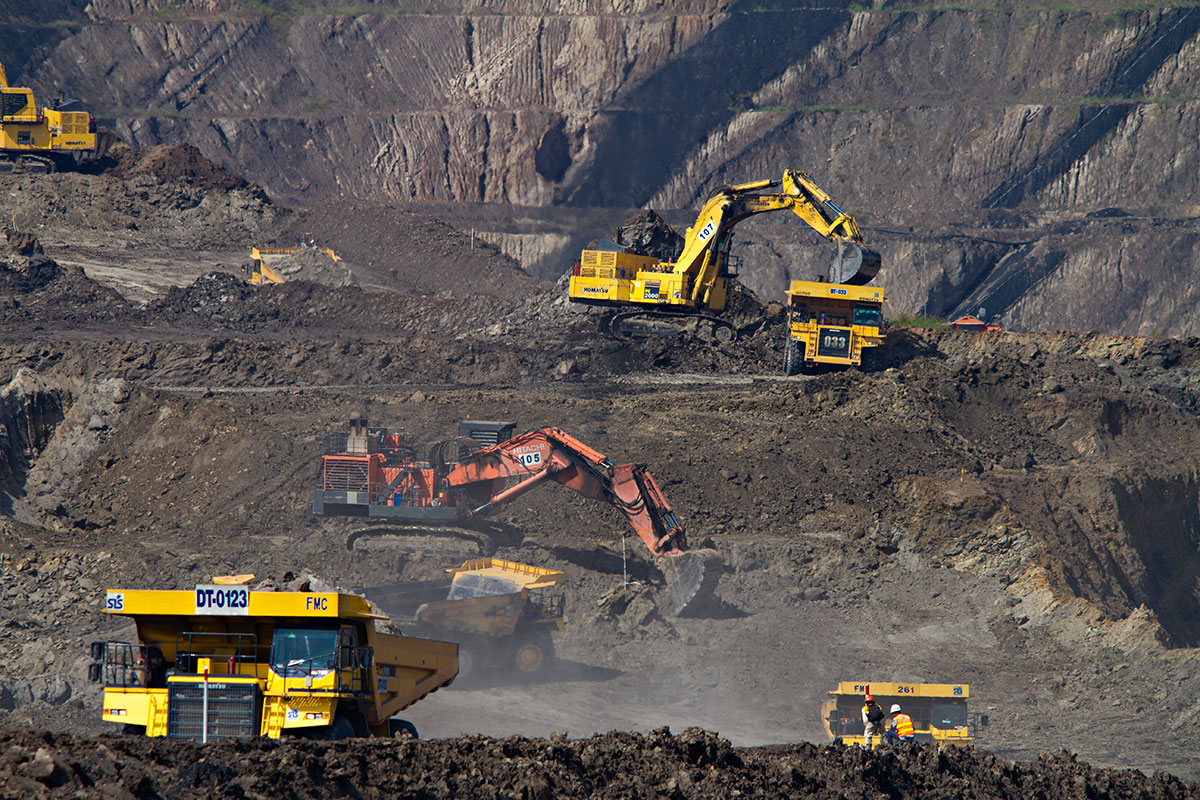
The European Green Deal marks a turning point for energy and climate policy in Europe. Achieving net-zero greenhouse gas emissions for the EU as a whole will require an overhaul of the way energy is produced and used, across all sectors and regions. In this context, the coal industry is among the first targeted by policymakers: primarily used in power generation and in industrial processes, coal is a highly carbon intensive energy source, accounting for 31% EU ETS emissions in 2019.[1] To achieve the new 55% GHG emission reduction target by 2030, the European Commission assessed that coal will likely become negligible in final energy demand in 2030, down from the current 15%.[2]

Despite this strong momentum at European level and the seemingly favorable conditions at national level, particularly given its balanced and diversified electricity mix, Romania does not yet have an official coal phase-out plan.[3] Eliminating the use of coal is a fundamental step in fighting climate change, being the most carbon intensive fossil fuel[4], and it would also make an important contribution in reducing air pollution. Besides, this is not only a matter of climate and environmental concern: with plunging costs for renewables, rising carbon prices, and aging infrastructure, the economic fundamentals of coal are increasingly weak.

Nevertheless, the difficulties of a coal phase-out are not to be downplayed.

The regions where coal mines and power plants are concentrated are deemed to suffer due to the loss of direct and indirect jobs. Another difficulty present in the European context is the risk of people perceiving the transition as a top-down decision, taken at EU level, without proper consideration of local circumstances.

Given all these complexities, it is important to take stock of similar situations outside the European space. Discussions to phase-out coal are taking place in numerous other countries, which are now recognizing that such a carbon intensive and polluting fuel cannot be part of the future energy systems. Chile, where coal accounts for approximately 40% of power generation, has launched an ambitious coal phase-out initiative, to match its goal of becoming carbon neutral by 2050.

This report seeks to show that the Chilean experience could provide valuable lessons for Romania and other countries in Eastern Europe, where the issue of the energy transition tends to be seen as clashing with other economic goals. Romania and Chile have several comparable indicators, with similar GDP/capita (slightly higher for Chile, who is also an OECD member since 2010), population and even annual CO2 emissions. Both countries experienced authoritarian regimes until 1989, which left an important footprint on the economic development models and energy infrastructures. While Chile’s economy is a lot more dependent on coal than Romania’s, the country is now committed to an ambitious energy transition, that includes closing all coal power plants by 2040 and boosting the share of renewables in electricity generation to up to 70% by 2050.

This paper will analyze the Chilean experience regarding coal phase-out, with the aim of extracting some lessons that could be useful in raising Romania’s ambitions on this matter. To exhibit how this comparison can reveal important lessons, the analysis will look at five key points in evaluating of the countries’ energy transition plan, namely:

  • The role of coal in the country’s energy sector and economy
  • The role of the private sector in the coal phase-out plan
  • The impact on jobs and strategies to mitigate the losses
  • The coal phase-out plan and the set of policies that support it
  • Stakeholder engagement strategies in the coal phase-out plan

[1] Energypost (2020). Europe’s 55% emissions cut by 2030: proposed target means even faster coal exit.

[2] European Commission (2020). Impact assessment on stepping up Europe’s climate ambitions. Part 1.

[3] At the time of publication, a leaked document submitted by the Romanian Government to the European Commission indicates that Romania plans to phase out coal by 2032. However, an official date has not been confirmed yet by the authorities.

[4] According to the 2006 IPCC Guidelines, the weighted emission factor for hard coal is 94.6 t CO2/TJ and 101.0 t CO2/TJ for lignite.


*Laura Camarut is an EPG Fellow. The views expressed in this paper are those of the author and do not necessarily reflect the opinions of EPG.

Code of Good Practice for Renewable Energy in Romania

The present paper comes at a crucial time in the country’s energy transition, to applaud past successes, highlight sector specific challenges and opportunities, and bring together public and private stakeholders united by one simple mission – creating a framework that is both climate friendly and economically viable, for the generations to come.

RWEA (Romania’s Wind Energy Association) compiled the lessons learned by a 10+ years mature industry to kick off a second wave of RES developments with a long-term vision in mind.

And this percentage share may increase in the years to come if, as until now, the pace of coal phase-out remains The country’s National Energy & Climate Plan (NECP) envisions an additional 6 GW of RES capacities needed by 2030, which in turn means immense economic opportunity and the birth of a national industry supply chain.

The Code of Good Practice follows three overarching goals:

  • to guide existing and potential investors in the journey of setting up wind and solar farms in Romania, from permitting and community engagement to grid connection and decommissioning;
  • to extend a collaborative hand to public authorities, suggesting ways to integrate the EU energy transition agenda into Romania’s national plans, benefitting the overall economy and future of our people;
  • to advocate for the variety of side industries that have room to develop in Romania and in this way attract new players to our national supply chain.

România Eficientă launches the Energy Efficiency Calculator for household energy consumers

Household energy consumers  have at their disposal the Energy Efficiency Calculator, a unique tool on the Romanian market, created within the Romania Eficienta program, developed by the Energy Policy Group and sponsored by OMV Petrom.

ConsenCUS project, funded by the European Union through the Horizon 2020 program, starts in early May. Energy Policy Group (EPG) is member of the consortium

ConsenCUS is an applied research project in the field of capture, use and technology carbon storage (CCUS), which will be carried out at European level during 2021-2024.

The European Green Deal beyond the EU: What Impact on the Western Balkans?

With a strong external dimension, the European Green Deal was designed to be transformational not only for the European Union (EU), but for its partners as well. The EU has for a long time relied on climate diplomacy as an important tool of its foreign policy, with some notable examples of successful cooperation (e.g., cooperation with China, Japan and South Korea on the design and implementation of their ETS systems), and it is only set to increase in importance with the European Green Deal. By becoming a top priority of the EU agenda, the European Green Deal will change the relationships between the EU and its partners, entailing significant foreign policy consequences.[1]

The region where it can have the most powerful impact is its immediate vicinity. As the stated goal of the Green Deal is to create “the first climate-neutral continent”, engaging the EU’s neighbours in the Western Balkans will be essential to its success.

A complex region, with a tumultuous recent past, the six countries (Albania, Bosnia and Herzegovina, Kosovo, Montenegro, North Macedonia, and Serbia) are strategic for EU’s diplomacy.

Since the end of the wars in the 1990s, the role assumed by the European Union in the region was to ensure lasting peace and stability, with the prospect of eventually opening EU membership to Western Balkan countries. As the EU accession process has been stalling for several years and the perspectives do not look very bright, the EU’s influence has been waning, leaving space for Russia and China to enhance their presence in the region.  

The European Green Deal is a chance to rekindle this relationship, by becoming the catalyser of the region’s energy transition. If the EU succeeds in integrating the Western Balkans in the Green Deal, it will show a powerful example to the rest of the world, and particularly to other developing countries, for whom the starting conditions for the energy transition are unfavourable. Western Balkan countries encapsulate many challenges that developing countries are facing before starting their climate transition: a coal-dependent energy sector, difficulties in financing low-carbon projects and a lack of prioritization of climate issues on the political agenda.

These are not remote problems for the people living in the region: air pollution concentration levels are among the highest in Europe (up to five times higher than the national and EU guideline levels[2]), mostly due to coal combustion, obsolete heating systems and low fuel standards, affecting the health and well-being of millions of people.

Another stark reality is energy poverty: the European Commission estimates that at least 50% of the population spends more than 10% of their net income on energy, which corresponds to the standard definition of fuel poverty.[3] This has repercussions in terms of energy performance as well, as these households lack the necessary income to invest in energy efficiency improvements.[4] Furthermore, with energy demand expected to grow on average by 2% per year[5], modernizing energy infrastructure and diversifying the energy mix will be critical in meeting this growing demand. Finding solutions to their challenges means finding solutions that could be replicated in other lower income countries with similar circumstances. For the EU’s climate diplomacy, succeeding in advancing the climate agenda in its neighbourhood will contribute to enhancing its credibility on the global stage.

In this context, the European Green Deal is likely to become one of the main instruments of EU neighbourhood policy, with positive repercussions on the pace of the changes needed for the energy transition. The six countries (Albania, Bosnia and Herzegovina, Kosovo, North Macedonia, Montenegro, Serbia) are all on their way – of course, each at different stages in this ascension process – to joining the EU. To fulfil the EU accession criteria, candidate countries have the obligation to implement the acquis communautaire.

With climate and energy becoming more and more prominent in the EU legislation, keeping the pace with the more stringent environmental regulations will prove significant to their ascension efforts. Western Balkan countries already have a strong record of implementing relevant EU legislation: through their Energy Community membership, the international organization working towards the creation of a pan-European energy market, they have been transposing the EU acquis in the energy field within the region. This will ensure that, in the long term, countries from the Western Balkans will converge to European standards on key matters such as the share of renewable energy, energy efficiency, fuel standards, thus gradually leading to an enabling legal framework for low carbon development.

There are some significant challenges on this path. Most countries in the region are characterized by a highly energy intensive economy (up to three times the European average[6]) and a carbon intensive energy sector, due to the prominence of coal.

Coal-fired power plants represented 43% of total installed capacities and 61% of total electricity production in 2019[7].

Albania is the exception, having a well-developed hydropower sector. Power and heat production are the main sources of CO2 emissions, with nearly 70% of total emissions in the region coming from these sectors[8].  Coal, and more specifically lignite, has been the preferred option for power generation in the region for decades, as it was the cheapest and most secure source of electricity, due to locally available reserves.

In addition to all the related environmental problems, the economic argument for coal is not as strong anymore. An IRENA study shows that members of the Energy Community (which includes, in addition to the Western Balkan countries, Ukraine and Georgia), could increase the share of renewables to 30% by 2030, compared to 19% in the Reference Case, which is built on stated policies.[9] This is mostly driven by current and expected cost decreases of renewables. Instead of delaying the transition and passing on the responsibility of finding solutions for both the people working in the sector and the energy mix, policy makers have the possibility to tackle the problem now.

Not all the benefits are reserved for the future. Coupled with other measures, such as energy efficiency measures and electrification of heating and cooking, replacing coal with clean energy sources would considerably improve the daily lives of people who currently struggle with air pollution and unstable energy supply. Beyond the power sector, industry and transportation are also key sectors to reform in order to enable both COand air pollution reductions.

Western Balkan countries have the support of several international partners, and various strategies and programs have already been launched with the aim of advancing low-carbon development. At the EU level, the Green Agenda for the Western Balkans, adopted in 2020, lays out the EU’s strategy to support decarbonization in the region. This includes the extension of some instruments designed for Member States, such as the Emissions Trading Scheme, the Just Transition Mechanism, or the EU Renovation Wave to the Western Balkans.

Another notable program is the Initiative for coal regions in transition in the Western Balkans and Ukraine.

Launched in December 2020 and managed by the European Commission and 5 other organizations, this initiative was designed as a platform for multi-stakeholder dialogue to share knowledge and best practices in managing a just transition for coal regions. In terms of access to finance, the EU and other international donors have dedicated programs for clean energy projects in the region. But national budgets should also reflect these priorities and public money should not be used to fund energy infrastructure that is unfit for the future of the sector.

Aligning public spending with climate goals is an important signal for the private sector, whose contribution is crucial to securing the investments needed to finance the transition.

To conclude, the EU’s engagement is essential for the transition to a more sustainable development model in the Western Balkans, and numerous initiatives are already in place to support this goal. Replicating successful EU programs can be a winning strategy, drawing on its past experience, as long as they are adapted to local circumstances. Putting people first, and particularly the most vulnerable, will be the key to making the low carbon transition a success in a region where so many are already affected by energy poverty and air pollution, and unless addressed correctly, are bound to suffer the worst effects of climate change.

[1] Bruegel (2021). The Geopolitics of the Green Deal.  https://www.bruegel.org/wp-content/uploads/2021/02/PC-04-GrenDeal-2021-1.pdf 

[2] UNEP (2019). Air Pollution and Human Health: The Case of the Western Balkans. https://www.developmentaid.org/api/frontend/cms/file/2019/06/Air-Quality-and-Human-Health-Report_Case-of-Western-Balkans_preliminary_results.pdf

[3] European Commission (2016). MULTI-COUNTRY Regional Energy Efficiency Programme for the Western Balkans (“REEP Plus”). https://ec.europa.eu/neighbourhood enlargement/sites/near/files/pdf/financial_assistance/ipa/2016/ipa_ii_2016_037-900.10_mc_reep_plus.pdfhttps://ec.europa.eu/neighbourhood-enlargement/sites/near/files/pdf/financial_assistance/ipa/2016/ipa_ii_2016_037-900.10_mc_reep_plus.pdf

[4] Ibid.

[5] World Bank (2018). Western Balkans: Directions for the Energy Sector. Final Report. http://documents1.worldbank.org/curated/en/201391544823541838/pdf/Western-Balkans-Energy-Directions-Paper.pdf

[6] European Commission (2016). MULTI-COUNTRY Regional Energy Efficiency Programme for the Western Balkans (“REEP Plus”). https://ec.europa.eu/neighbourhood-enlargement/sites/near/files/pdf/financial_assistance/ipa/2016/ipa_ii_2016_037-900.10_mc_reep_plus.pdf

[7] Energy Community Secretariat (2021). WB6 Energy Transition Tracker. Second edition. https://www.energy-community.org/regionalinitiatives/WB6/Tracker.html

[8] Energy Community Secretariat (2020). WB6 Energy Transition Tracker. First edition. https://www.energy-community.org/news/Energy-Community-News/2020/07/16.html

[9] IRENA (2020). Renewable energy prospect for Central and South-Eastern Europe Energy Connectivity. https://www.irena.org/-/media/Files/IRENA/Agency/Publication/2020/Oct/IRENA_REmap_CESEC_2020.pdf


*Laura Camarut is an EPG Fellow. The views expressed in this paper are those of the author and do not necessarily reflect the opinions of EPG.

Nord Stream 2: The delicate balancing act between business and politics

EU-Russia relations have sunk to a new low after the poisoning and subsequent arrest of Alexey Nalvany, the prominent Russian opposition figure. The elephant in the room is once again Nord Stream 2, almost finished but as contentious as ever.

In the light of the recent events, calls to abandon the project are growing stronger, raising once again the question whether the benefits of the project are enough to outweigh its complications and whether it is right to assume that business and politics can truly be separated when dealing with Russia.

The project is led by Gazprom, in partnership with a consortium of 5 European companies – Germany’s Uniper and Wintershall Dea, France’s ENGIE, Austria’s OMV and the Netherlands’ Shell, and it represents a total investment of 9.5 billion euros, fully privately funded.

According to the project team, the pipeline is an important element for Europe’s energy security, by creating a direct route for gas imports from Russia.

With domestic gas production in decline, Europe needs to secure alternative gas supplies that are both reliable and affordable to meet future demand.[1] Nord Stream 2 is not expected to significantly impact gas flows to Europe, but rather to provide an alternative route for the gas that is currently transported through Ukraine. Nord Stream 2 is designed to transport 55 Bcm/year, scaling down the gas sent via Ukraine. This is already reflected in Gazprom’s transit plans, that reduced the volumes transported via Ukraine to only 40 Bcm/year in 2021-2024 – down from 65 Bcm/year in 2020.[2]

Critics on several fronts

The project proved to be highly divisive among European countries. Most countries from Eastern Europe were fiercely opposed to the project, arguing that the last thing Europe needs is more dependency on Russia’s energy. Poland has gone lengths to fight it through legal means: it fined six companies involved in the project, with the fine going as high as $7.61 billion for Gazprom. At the EU level, the Parliament adopted in January 2021 a resolution calling to stop the project in the light of Navalny’s arrest. This resolution has, however, only symbolic value. EU institutions have been unsuccessful in finding concrete ways to hinder the development of a project that severely damaged European unity on energy policy.

Another important criticism was the impact on Ukraine, a close ally of the European Union, who would be deprived of an important source of revenues coming from transit fees and left at Russia’s mercy regarding gas imports for its own use. This matter has been settled to some extent by the trilateral gas talks (Ukraine-Russia-EU), that led to an agreement regarding a long-term transit of gas contract via Ukraine.

It also attracted an aggressive reaction across the Atlantic.

The US opposed the pipeline from the beginning, describing it as a threat to Europe’s energy security due to the tightening of ties to Russia and eventually imposed sanctions targeting private companies involved in the project, leaving it about 94% complete.

So far, US sanctions applied only to smaller companies, but with a crucial role in the competition of the project – pipelayer company Allseas suspended its activity on Nord Stream 2 in December 2019 due to US sanctions, leading to important delays in construction.

The US also has its own commercial interests in the European gas market, that it now reaches through LNG exports. Europe’s third biggest supplier of LNG, the US expressed its availability to supply more gas to Europe. However, as LNG remains significantly more expensive than pipeline gas from Russia, the US cannot present itself as a real alternative to Russia in terms of gas supplies. It now remains to be seen how the new administration will impact the fate of the project. Joe Biden has already expressed his opposition to Nord Stream, but it is not certain whether sanctions will remain the preferred strategy. German officials are reportedly hoping that the new Secretary of State, Antony Blinken, who wrote in the past about the ineffectiveness of US sanctions in stopping Russian pipelines to Europe, will bring a change in the current US approach.[3]

Germany remains the main supporter of the project

The task of solving this deadlock lies mostly with Germany, the fiercest supporter of the project among European countries, who insisted that the rationale of the project is purely commercial. Germany is the largest importer in the EU of Russian gas and its domestic gas consumption is expected to increase in the future. As part of the country’s Energiewende, coal power generation has to be phased out by 2038, and nuclear power will be phased out by the end of 2022. Thanks to significant investments in renewable energy sources, they will make up for most of the retired capacity, but gas-power plants will be needed to make up for the intermittency of renewables.

However, this cannot be framed simply as a German problem.

From the energy policy angle, Russia is the largest supplier of natural gas to the EU, having provided 39.3% of the EU gas imports in the first semester of 2020 and 44.7% in 2019.[4] 

According to Gazprom data, Russia’s exports to Europe have increased steadily in the past 20 years.[5] Even at the peak of the tensions following the annexation of Crimea in 2014, Europe’s gas imports continued to increase (from 158.6 billion cubic metres in 2015 to 198.97 billion cubic meters in 2019[6]). The economic sanctions imposed on Russia targeted its energy industry, mainly through foreign technology and capital bans, but not specifically exports to Europe.[7]  The Russian energy industry – particularly the oil industry, with significantly more weight in the Russian economy than gas[8], was hurt by the sanctions.

source: moldova.europalibera.org

Western avant-garde technology, critical in securing Russia’s long-term development interests in the Arctic or in the LNG sector, were made inaccessible but there were no restrictions on the volumes of oil and gas that could be sold to Europe. Attempts to diversify oil and gas sources have failed in the past. The emblematic example is Nabucco, a pipeline project that was explicitly motivated as an alternative to Russian supplies. Despite all the political support that it gathered, the project ended up being abandoned due to insufficient reserves in the Caspian region to justify it.

Implications for EU energy policy

From the political point of view, Nord Stream 2 is complicating the dynamics within the EU, relations with Russia and with other key external partners, notably the US and Ukraine. It showed how far the EU is from a common energy policy, if a major infrastructure project could go on even with fierce opposition from several member states. European countries have varying degrees of dependency to Russian gas. Among the largest importers of natural gas (Germany, Spain, France, Italy, and the Netherland), Russia’s share varies from less than 25% for Spain, France and the Netherlands, to between 25% and 50% for Italy and between 50% and 75% for Germany.[9] While Eastern European countries have very high shares of Russian gas imports (between 75% and 100% for Bulgaria, Czech Republic, Hungary, Romania, Slovakia and 50% and 75% for Poland), they import considerably less in absolute terms than Western countries.

A key reason why Nord Stream 2 is so divisive in Europe is the different perceptions that EU member states have with regard to Russia.

The Polish prime-minister, Mateusz Morawiecki, illustrated these differences when he criticized the French president’s comments on NATO:

President Macron is in a different position because he does not feel the hot breath of the Russian bear on his neck.

[10] In the relation with Russia, Nord Stream 2 reinforces the perception that crossing red lines is tolerated due to the dependency on oil and gas imports. The arrest of Navalny and the repression of protests are against the values that the EU stands for in global affairs. While imposing a new set of sanctions is on the table, it is unlikely to impact Nord Stream 2 or the volume of gas imports from Russia.

Nord Stream 2 is a powerful symbol of the very complicated relation between the EU and Russia, and of all the entanglements that derive from it.

The reactions it provoked in the US and in Eastern Europe are just the prolongation of the same dynamics have animated this energy relationship for decades. The answer to the questions raised in the beginning of this article – on the balance between benefits and costs and on the separation of business and politics in relations with Russia – vary greatly depending on the country that answers them. Perhaps the most regrettable consequence is the rift that it caused to EU unity on energy policy, challenged on other fronts as well. Given the advanced stage of the project, regardless of its outcome, it already caused significant damage to efforts to build a common EU position on these matters. To policymakers and leaders still committed to this goal, Nord Stream 2 will serve as a valuable lesson for setting future expectations.

[1] Nord Stream 2. Rationale. https://www.nord-stream2.com/company/rationale/

[2] S&P Global Platts (2020). Commodities 2021: Nord Stream 2 uncertainty to cloud European gas. https://www.spglobal.com/platts/en/market-insights/latest-news/natural-gas/122220-commodities-2021-nord-stream-2-uncertainty-to-cloud-european-gas-in-2021

[3] Financial Times (2021). Germany aims for new deal with Washington on Nord Stream 2. https://www.ft.com/content/548067b9-2ff0-4a2a-94af-b74d763f4561?fbclid=IwAR3tN-jz3OemvD4X6lvUQwlyifunpOhs8yFHLbZKG5NIzwoHCWOiVKX9eP4

[4] Eurostat (2020). EU imports of energy products – recent developments. https://ec.europa.eu/eurostat/statistics-explained/pdfscache/46126.pdf

[5] Gazprom (2019). Delivery statistics. Gas supplies to Europe. http://www.gazpromexport.ru/en/statistics/

[6] Ibid.

[7] Atlantic Council (2015). Energy Sanctions and Russia: What Comes Next? https://www.atlanticcouncil.org/wp-content/uploads/2015/09/Energy_Sanctions_and_Russia_0910_web.pdf

[8] Ibid.

[9] Eurostat (2020). EU imports of energy products – recent developments. https://ec.europa.eu/eurostat/statistics-explained/pdfscache/46126.pdf

[10] Financial Times (2019). Poland’s prime minister brands Macron ‘irresponsible’ on Nato. https://www.ft.com/content/a0a71b16-03a1-11ea-a984-fbbacad9e7dd


*Laura Camarut is an EPG Fellow. The views expressed in this paper are those of the author and do not necessarily reflect the opinions of EPG.